22nd Guangzhou International Textile, Clothing and Printing Industry Expo


Exhibition News
At the critical juncture of transformation and upgrading in the textile and garment industry, the fabric and auxiliary materials market is undergoing profound changes from traditional manufacturing to intelligent, sustainable and functional production.
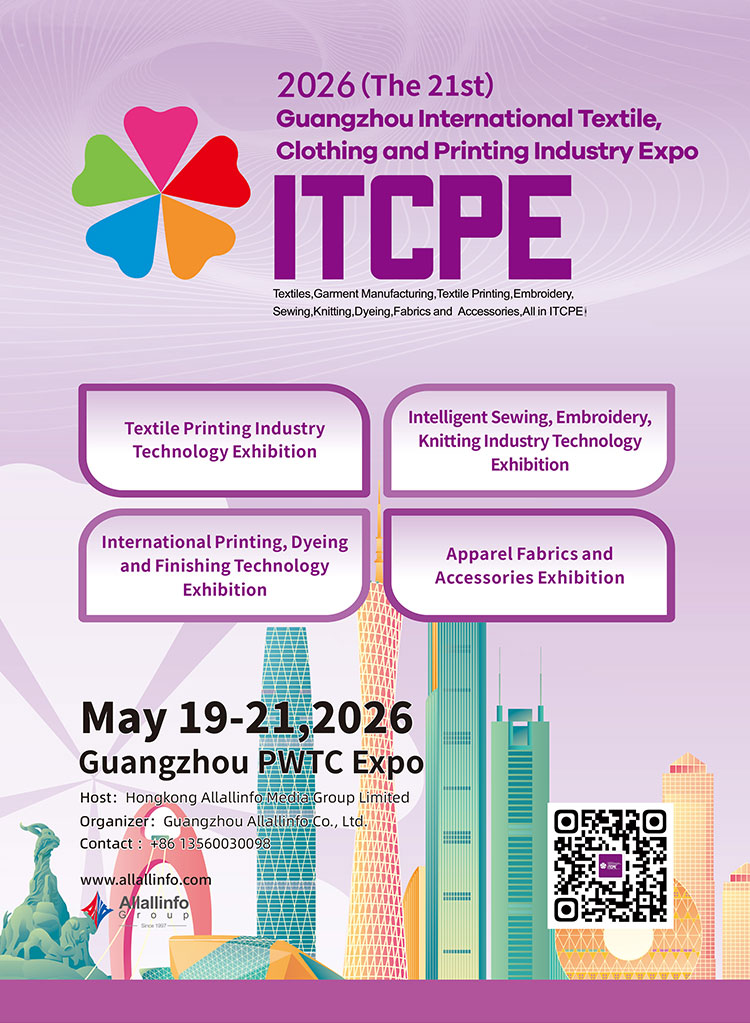
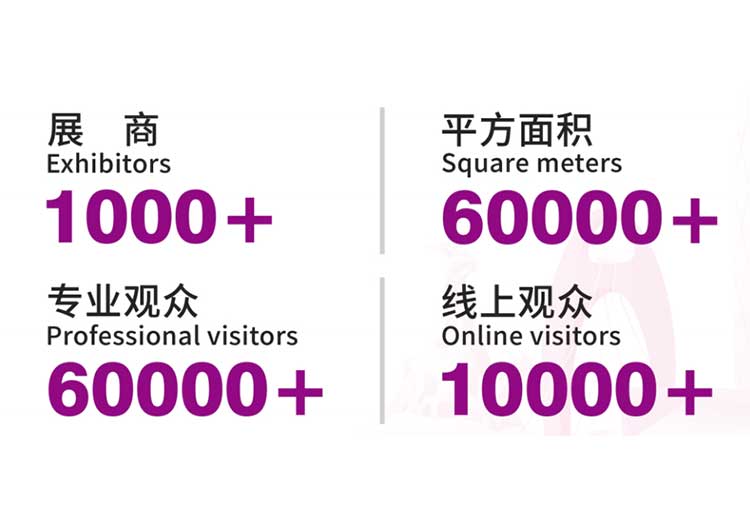
As a vital barometer of the Asian garment industry, the 2026 (The 21st) Guangzhou International Textile, Clothing and Printing Industry Expo (hereinafter referred to as ITCPE Guangzhou) is scheduled to be held at the Poly World Trade Center Expo in Pazhou, Guangzhou from May 19 to 21, 2026. With the theme of "Intelligent Connection of the Globe · Leading the Future through Innovation", the expo will gather over 1,000 high-quality exhibitors worldwide and is expected to attract more than 60,000 professional visitors, emerging as a pivotal platform for insight into industry trends and connection of global resources.
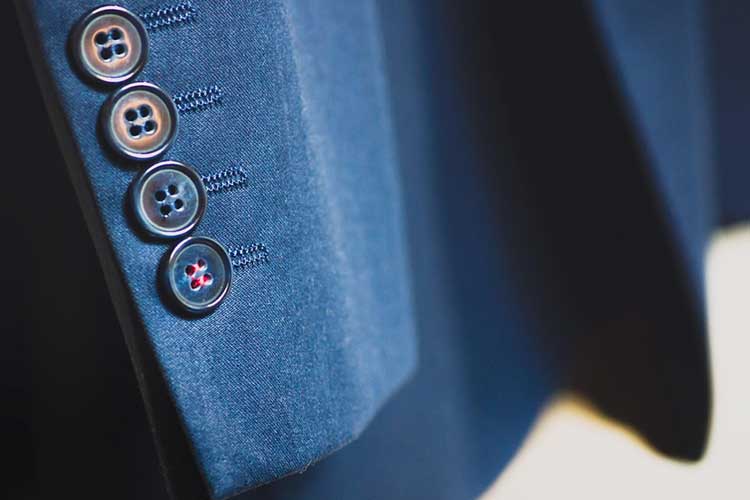
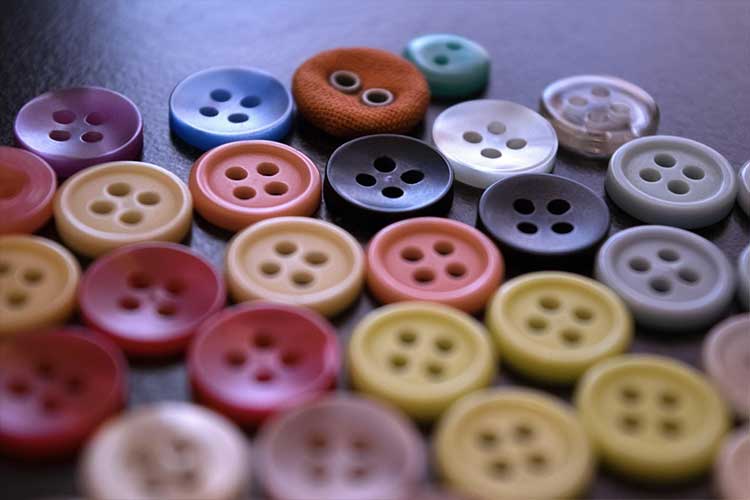
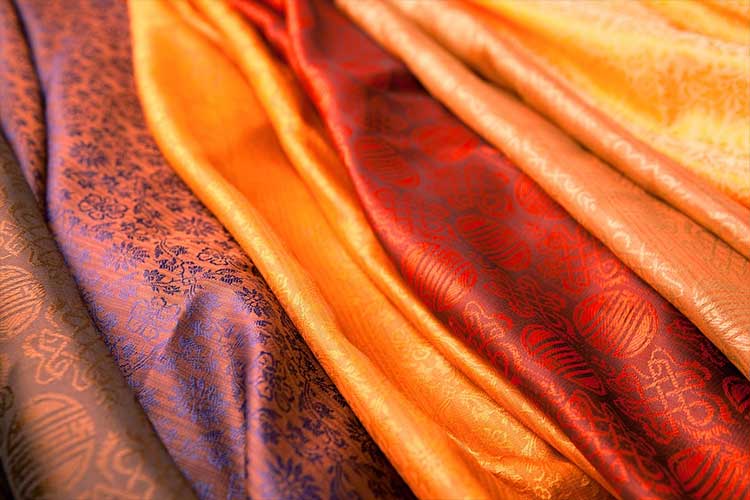
I. Fabric Market: Dual-Driven by Natural Fibers and Functional Fabrics
PART 01
Natural Fiber Market: Cotton and Linen Dominate, with Linen Textile Sector Leading the Growth
According to the data from Forward Industry Research Institute, in 2024, the revenue of above-scale enterprises in China's cotton textile industry reached 1.141858 trillion yuan, accounting for 61.4% of the total textile industry scale, and firmly maintaining its leading position in the fabric market. Thanks to its moisture absorption, breathability, skin-friendliness and comfort, cotton fiber remains the mainstream choice in the apparel and home textile sectors.
Nevertheless, the linen textile market is emerging at an astonishing pace—in 2024, the revenue of national above-scale linen textile, dyeing and finishing enterprises surged by 17.52% year-on-year, making it the fastest-growing sub-sector. Boasting natural antibacterial and UV-resistant properties, linen fiber aligns perfectly with consumers’ pursuit of health and environmental protection, and is thus widely applied in outdoor sports and casual wear sectors.
PART 02
Functional Fabrics: Dual Growth in Sports & Leisure and High-End Markets
The popularity of sports and leisure apparel has driven a surge in demand for functional fabrics. In 2025, the proportion of functional fabrics—such as waterproof & breathable, antibacterial, and temperature-regulating varieties—in the sports and outdoor fabric sector will rise to 28%. Meanwhile, the high-end market has seen a 12% compound annual growth rate (CAGR) in demand for natural materials including organic cotton, silk, and cashmere.
In addition, demand for high moisture-absorbent bandages and antibacterial protective fabrics continues to grow in the medical and healthcare field, while the aerospace sector has unlocked new potential with its demand for lightweight, high-temperature resistant knitted composite materials.
For instance, Taizhou Runyuan Outdoor Products Co., Ltd. has successfully broken through international intellectual property barriers and secured a foothold in the outdoor gear market, leveraging independently developed camouflage patterns combined with fluorine-free waterproof and breathable fabrics.
PART 03
Green Technology: Circular Economy and Smart Technologies Reshape the Industrial Chain
Tightening environmental policies and growing consumer awareness of sustainability have forced the fabric industry to build a closed-loop system of "production - consumption - recycling". Capacity expansion of recycled polyester fibers and bio-based nylon is accelerating; the integration of used clothing recycling systems with recycled fiber technologies is driving the industry towards resource circularity.
The penetration rate of water-based dyeing and finishing technology has risen to 50%, reducing chemical pollution; the circular recycling system aims to achieve a recovery rate exceeding 20% by 2030, lowering resource consumption. Meanwhile, the smart textile market is expanding at a compound annual growth rate of 29.7%. Flexible photovoltaic fabrics boast a power generation efficiency of 18.7 watts per square meter, and the penetration rate of temperature-regulating fabrics in the outdoor sports sector has reached 13.6%.
AI-driven fabric design systems have shortened the R&D cycle from 30 days to 7 days; IoT technology enables full-process traceability, increasing quality inspection efficiency by 40%.

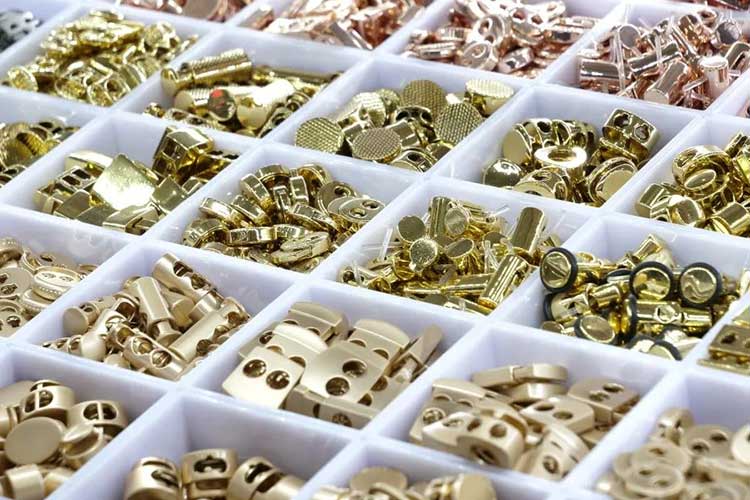
II. Apparel Accessories Market: Prominent Trends of Intelligence, Environmental Friendliness and High-Endization
PART 01
Zipper Market: Advancing Hand-in-Hand with Premiumization and Intelligence
In 2024, the domestic zipper market scale reached approximately 108 billion yuan, with a year-on-year growth of 6.9%. Among them, metal zippers and nylon zippers dominate the market, accounting for a combined market share of over 75%.
As an industry leader, Zhejiang Weixing Industrial Development Co., Ltd. achieved an operating income of 4.23 billion yuan in 2024, a year-on-year increase of 8.1%. Its technological accumulation in the high-end zipper segment and global layout continue to unleash growth momentum.
At the exhibition site, intelligent equipment such as multi-head embroidery machines and garment computerized embroidery machines attracted significant attention. Smart zipper products, including programmable zippers and windproof zippers, have gradually become new favorites in the market.
PART 02
Sewing Thread Market: Functional Demand Drives Innovation
In 2024, the sewing thread market scale reached approximately 31 billion yuan, with a year-on-year growth of 5.7%, benefiting from the rising demand for high-strength and wear-resistant threads driven by the popularization of intelligent sewing equipment.
Enterprises such as Jiangsu Taihu Snow New Materials Co., Ltd. have made breakthroughs in the field of special functional sewing threads, with the sales revenue of related products increasing by 12.4% year-on-year in 2024.
At the exhibition, exhibits including laser equipment and automated garment production line solutions demonstrated the industry’s upgrading trend towards high efficiency, precision and environmental friendliness.
PART 03
Interlinings & Environmental Accessories: Accelerated Green Transition
In 2024, the market size of interlining materials reached approximately 49 billion yuan, with a year-on-year growth of 5.2%. Environmentally friendly hot-melt adhesive coated interlinings and degradable non-woven interlinings have become the mainstream development directions.
The bio-based degradable interlinings launched by Shandong Companion Group Co., Ltd. have been mass-applied in the supply chains of many well-known apparel brands. In 2024, the sales volume of such products hit 380 million yuan, representing a year-on-year increase of 21.6%.
In addition, new types of environmental adhesives—including water-based adhesives and hot-melt adhesives —have gradually replaced traditional solvent-based products, meeting the market’s demand for low toxicity and low volatility.
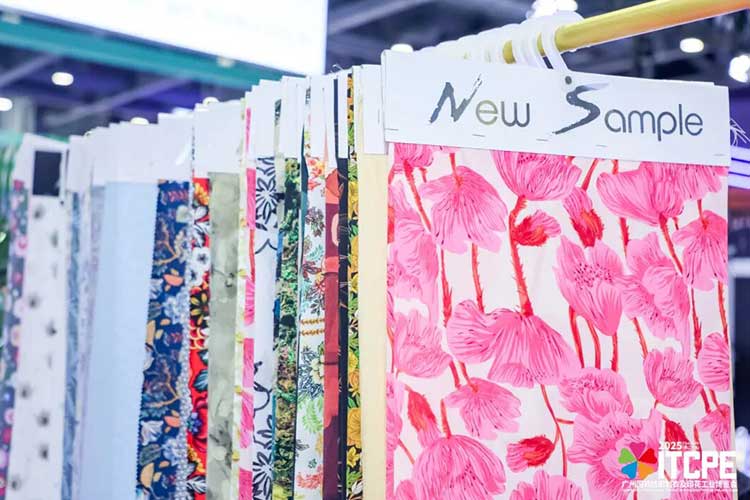
(Some images are sourced from the internet.)
III. ITCPE Guangzhou : A Platform for Technological Co-Creation and Business Incubation
PART 01
Cutting-Edge Technologies Gather to Drive Industrial Upgrading
Covering an exhibition area of over 60,000 square meters, the 2026 ITCPE Guangzhou will attract nearly 1,000 exhibitors. It focuses on core sectors including textile printing, intelligent sewing & embroidery, green dyeing and finishing, functional fabrics & accessories, and seamless technology, covering the entire industrial chain of innovative processes from raw materials to finished garments.
The expo comprehensively presents the latest technologies, new equipment, advanced materials and innovative concepts in the textile and garment industry, serving as a catalyst for industrial transformation and upgrading.
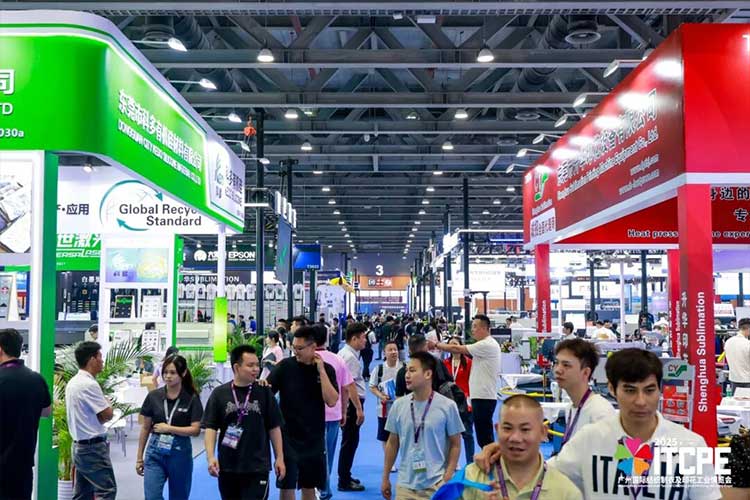
As one of the thematic expos of ITCPE Guangzhou, the 2026 Guangzhou International Functional Fabrics & Accessories and Textile New Materials Exhibition showcases the latest achievements in the fields of functional fabrics & accessories and textile new materials.
PART 02
Global industrial chain collaboration drives the expansion of international markets.
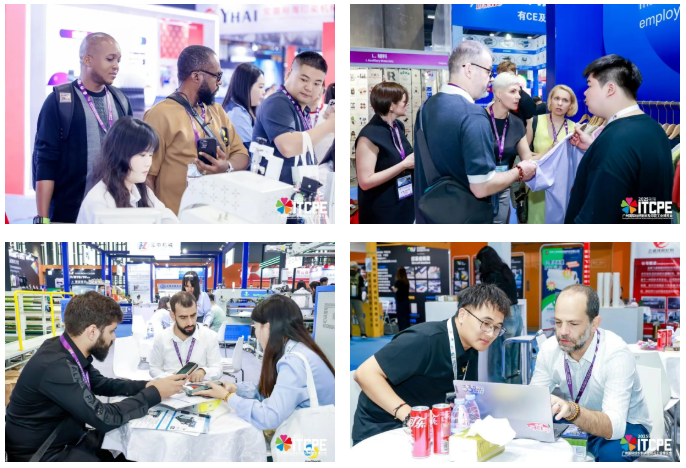
Leveraging the geographical advantages of the Guangdong-Hong Kong-Macao Greater Bay Area, ITCPE Guangzhou attracts global professional purchasers, fabric suppliers, garment factories, clothing processing plants, printing factories, embroidery factories, apparel brands, fashion designers, cross-border e-commerce platforms, as well as designer and brand representatives, forming a closed-loop ecosystem of "Technology - Design - Production - Market".
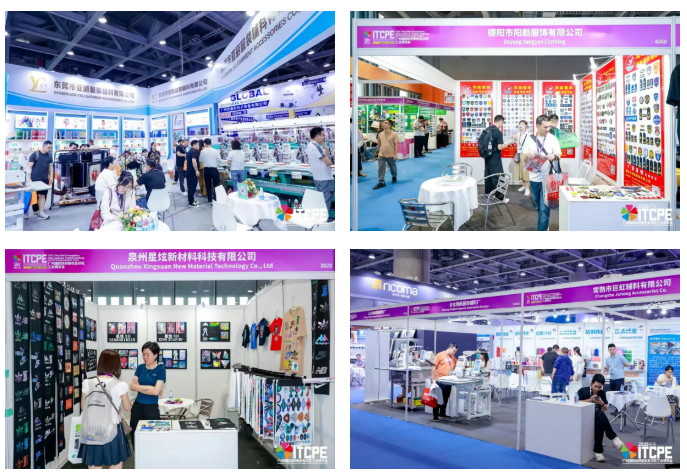
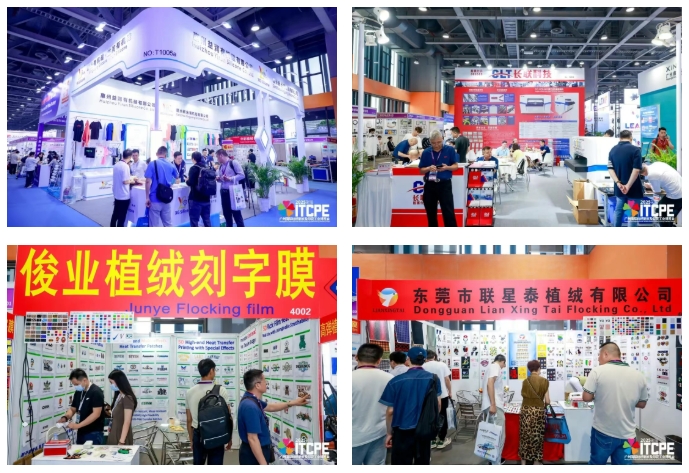
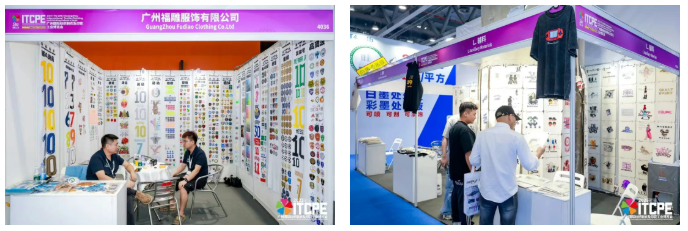
Exhibiting enterprises can expand their international markets through the expo platform. Southeast Asian buyers can connect with Chinese suppliers of eco-friendly fabrics via the ITCPE Guangzhou to reduce their reliance on European and American markets; domestic enterprises can also leverage the expo to explore markets along the Belt and Road. In addition, the expo's Customization Zone brings together technologies such as 3D printing, driving the upgrading of the auxiliary materials supply chain towards flexibility and digitalization.
PART 03
Trend Release: A Bellwether for the Industry's Future
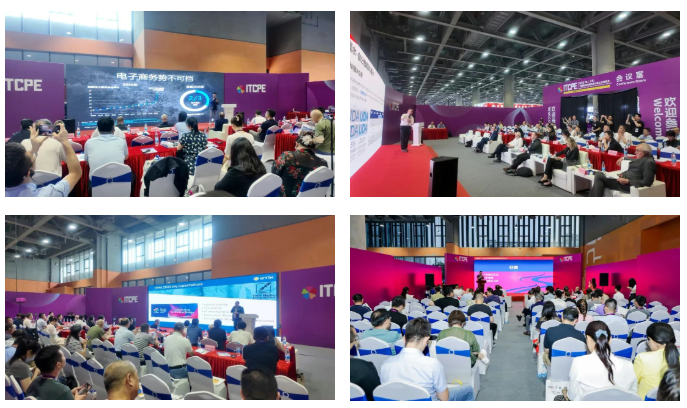
The high-end seminars and trend forums held concurrently with the expo have become an important reference for industry decision-making. Experts predict that the fabric market will show three major trends in the next five years: first, the application of nanotechnology fibers (such as graphene and phase change materials) in the field of extreme environment protection; second, the accelerated commercialization of biomaterials like mycelium-based fabrics and algae fibers; third, the entry of smart fibers integrated with sensors (such as self-temperature-regulating and self-healing fabrics) into the consumer market. These trend forecasts have directly driven enterprises to adjust their R&D directions. For example, a domestic enterprise has launched a graphene fiber mass production project and plans to release its first smart temperature-controlled garment in 2026.
In 2025, the fabric and apparel accessories market is embracing unprecedented development opportunities. The transformation and upgrading of the domestic fabric and accessories market must be driven by the dual wheels of "technological breakthrough + ecological restructuring".
On one hand, enterprises need to increase R&D investment to achieve original technological breakthroughs in such fields as bio-based fibers and recycled materials. For instance, they can cooperate with biotech companies to develop mass-production technologies for seaweed fibers, or establish waste textile recycling systems to enhance the supply stability of rPET raw materials.
On the other hand, they should improve efficiency through digital supply chain transformation, optimize production processes by leveraging the industrial internet, and realize demand forecasting and intelligent inventory management via B2B digital trading platforms.
As a starting point for industrial ecological restructuring, ITCPE Guangzhou is propelling the global fabric and apparel accessories market toward high-end, intelligent, and green development through technology exhibitions, business matching, and trend releases. The 2026 edition of the exhibition will further deepen cooperation with regions such as ASEAN, Central Asia, Europe and the United States, helping enterprises break through trade barriers and share global market opportunities. Amid this transformation, China’s fabric and apparel accessories industry is evolving from a "world factory" to an "innovation hub" — and ITCPE Guangzhou is undoubtedly a participant and witness of this journey.
-END-
- Exhibition Information
- Partners


- Contact Us
-
Guangzhou OfficeAdd: Room 1001-1010, Baoao Square, No. 48 Hanxing Middle Road, Panyu District, Guangzhou City, Guangdong ProvinceTel:020-83587112Ms.Tan:+86 18702018856
Mr.Zhuang:+86 19865189668
Mr.Tang:+86 18218678836
Ms.Tuo:+86 13640747074
Ms.Feng: +86 15802006188
Mr.Li:+86 13422198238
Ms.Mo:+86 13085718312 -
Shanghai OfficeTel:021-31007583Add: 6th floor CIMIC building, 800 Shangcheng Road, Pudong District, ShanghaiMr.Su: +86 13817048301
-
Vietnam OfficeTel: 020-83587112Add: VietnamMr.Nguyen: +84 90 132 1282
-
Hongkong OfficeTel: 00852-9755 6683Add: Room 2821-22, 28/F, Asia Trade Centre, No.79 Lei Muk Road, Kwai Chung, N.T. Hong Kong